
The three layers, in order
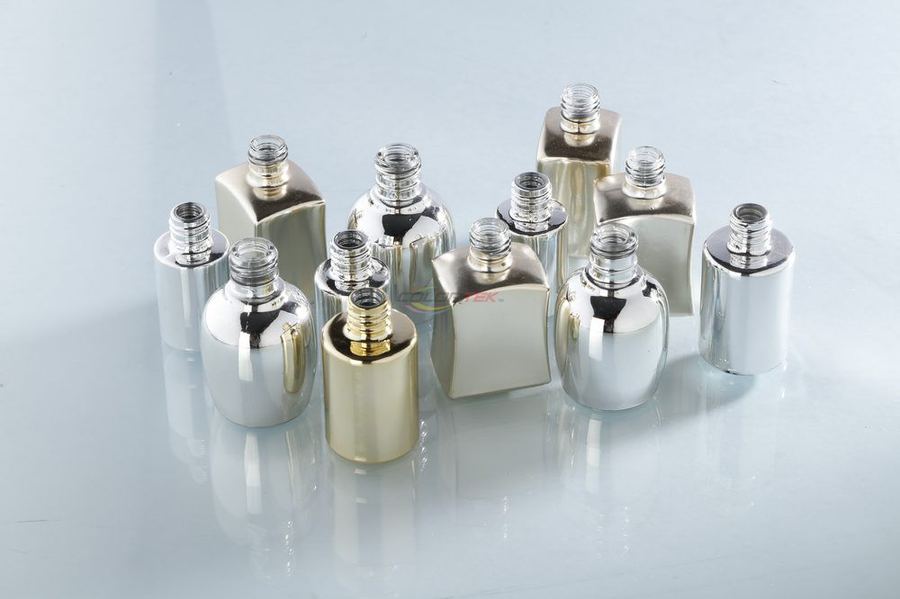
Vacuum metalizing sounds like one step; it is three. First a base coat is applied and cured on the part, giving the metal a perfectly smooth, adhesive surface to land on. Then the part goes into a vacuum chamber where metal is evaporated and deposited as an ultra-thin, mirror-bright layer. Finally a top coat seals the metal and carries the colour, from chrome and gold to any tinted or reflective effect.
Why the base coat decides everything
The metal layer is far too thin to hide anything. Every scratch, dust speck or orange-peel texture in the base coat telegraphs straight through to the mirror surface, magnified. A metallized finish is therefore only as good as the coat underneath it, which is why Colortek's UVAC series treats the base coat as the engineered heart of the system rather than a primer.
What the top coat contributes
- Protection. Bare deposited metal tarnishes and scratches; the top coat is what makes the finish survive handling, transport and shelf life.
- Colour. Tinting the top coat turns one silver deposition into gold, rose gold, gunmetal or any effect a brand asks for.
- Feel. Gloss level and touch live in the top coat, from wet-look mirror to soft satin.
Glass or plastic, the logic holds
The same three-layer logic runs on glass containers and on plastic closures alike; the difference is the chemistry of the coats, matched to the substrate. On plastics the UVAC coats are UV-cured for fast line speeds across ABS, PP, HIPS, PC and acrylic. On glass, the system is tuned for adhesion to silica, the same challenge we covered in why coatings fail on container glass.
A metallized finish is only as good as the coat underneath it.