
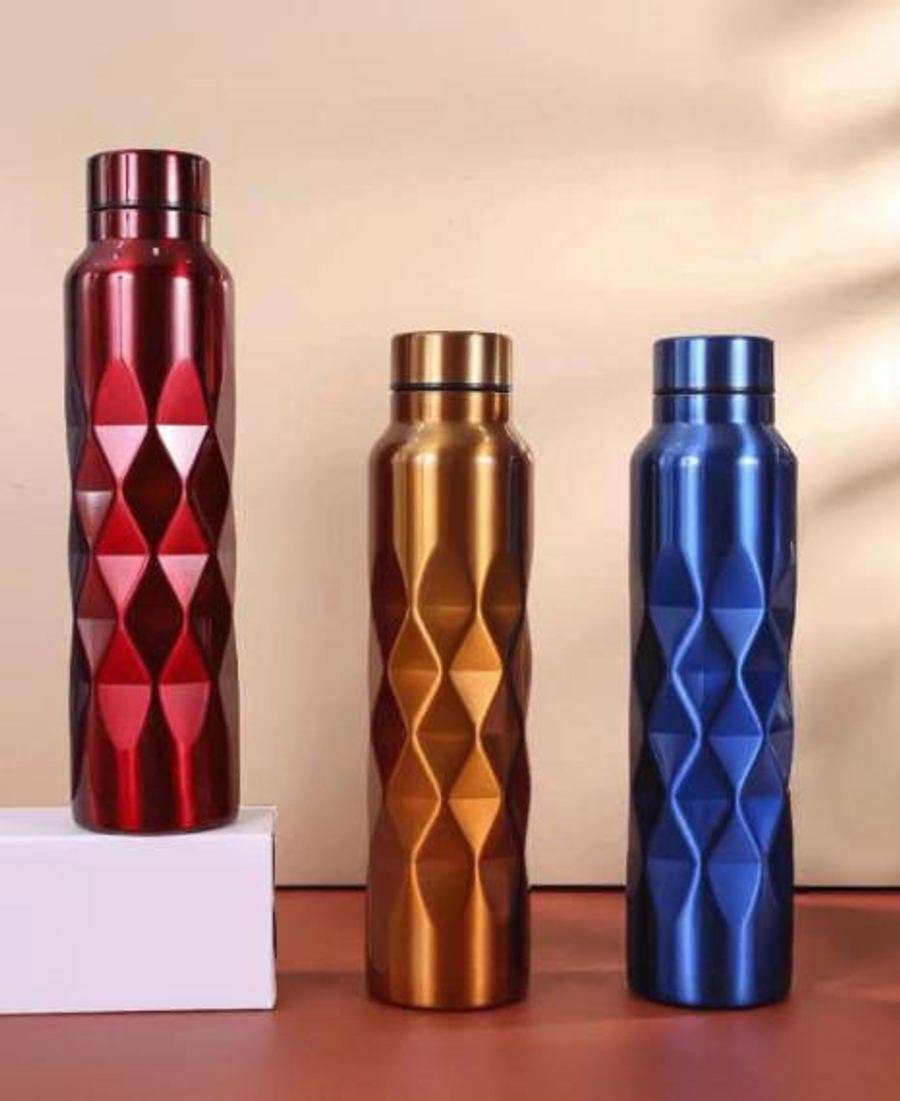
What a dishwasher actually does to a coating
Every cycle combines four attacks at once: sustained heat, strongly alkaline detergent, water jets, and contact abrasion from other items. Any one of these is manageable. Together, repeated hundreds of times over a product's life, they find every weakness a coating has: soft films scuff, poorly bonded films lift at edges, and unstable colours fade.
Where products fail first
- Edges and rims, where the film is thinnest and jets hit hardest.
- Printed areas, where a decoration sits on top of the coating rather than sealed within the system.
- Colour, which can survive structurally yet fade visibly, the failure customers photograph.
How a real claim is built
A defensible dishwasher-safe claim comes from cycle testing: coated parts run through repeated wash cycles and checked for adhesion, gloss and colour change. It is engineered in from the start, in the resin system, the cure and the film build, not added later. Colortek's METACOAT for metal bottles and SABLICOAT for printed ceramic mugs are both formulated to survive repeated washing, and both sit on systems tested batch by batch under ISO 9001:2015.
Food contact is the other half
Products that live in kitchens also meet food-contact rules. METACOAT is FDA food-contact tested with an SGS-verified reference, and SABLICOAT is a clear-coat system designed for food-contact surfaces. If your product touches what people eat or drink, ask any supplier for the test reference, and expect a number, not a nod. Ours are on the metal page.
Any coating can claim to survive it. The claim only means something as a test.